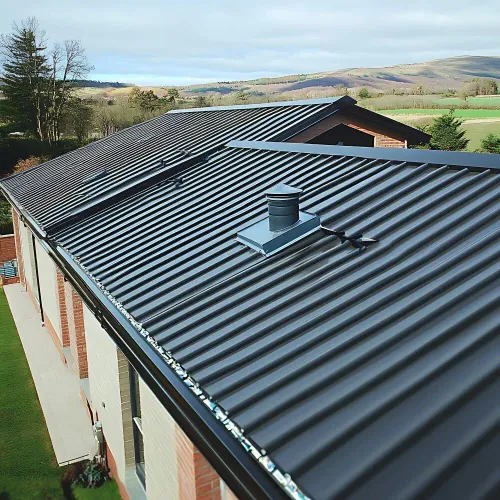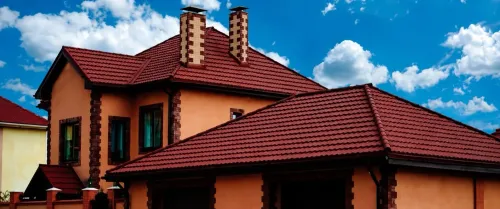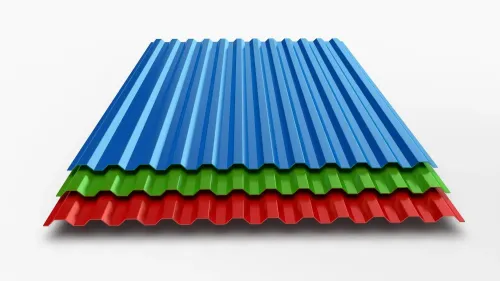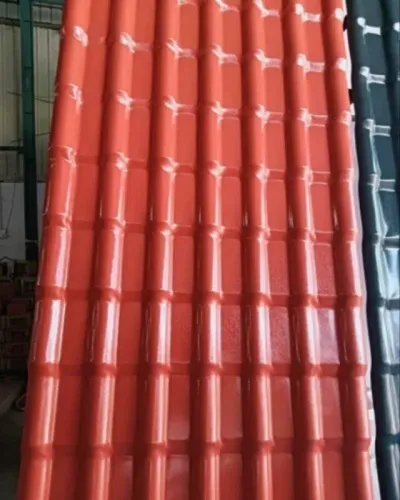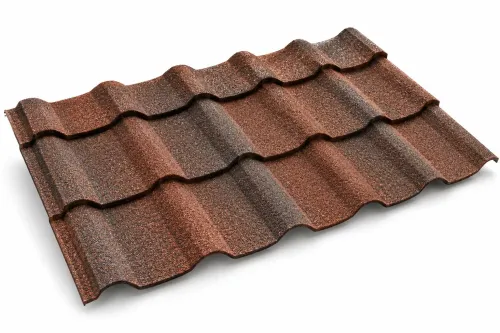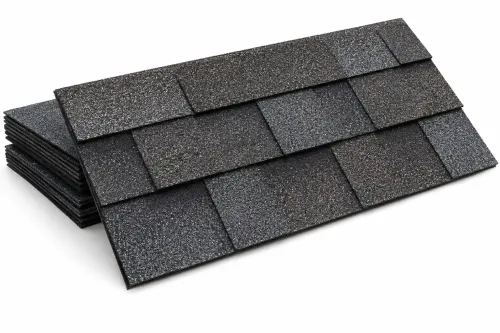
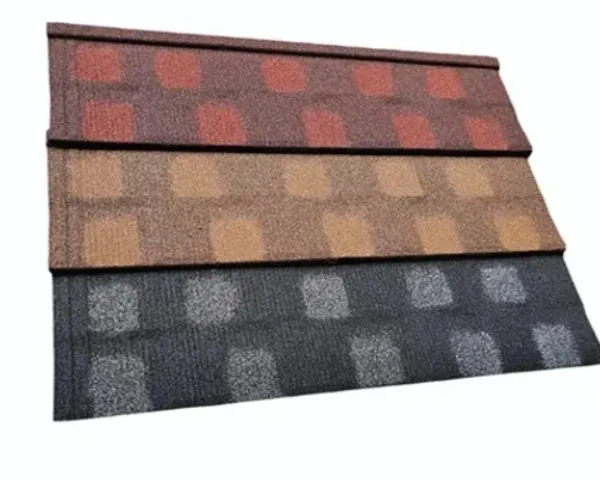
Selecting the right roofing material is one of the most important decisions in any construction or renovation project. Homeowners, architects, builders, and commercial property owners often compare roofing shingles with conventional roofing options such as clay tiles, concrete slabs, metal sheets, and asbestos alternatives. Each material has its strengths, but understanding how they differ helps in choosing a roof that matches both performance expectations and budget.
Modern roofing shingles have become increasingly popular because they combine attractive aesthetics with dependable weather protection. Unlike many traditional roofing materials that primarily focus on functionality, shingles are designed to improve the overall appearance of a building while offering long-lasting durability.
In cities like Nagpur, where buildings are exposed to intense summer heat, seasonal monsoon rains, and occasional storms, roofing materials must perform consistently throughout the year. The right roofing solution should withstand these climatic conditions without requiring frequent repairs or extensive maintenance.
One of the first aspects to compare is weight. Traditional concrete roofing systems are considerably heavier, often requiring stronger structural support. Roofing shingles, on the other hand, are lightweight, making them suitable for both new construction and renovation projects. The reduced structural load can simplify installation while offering greater design flexibility.
Another major difference lies in appearance. Roofing shingles are available in a variety of colours, patterns, and textures that complement modern homes, villas, cottages, resorts, and commercial buildings. Traditional roofing materials generally provide fewer design options, limiting architectural creativity.
When comparing performance, several important factors should be evaluated:
- Resistance to rain and moisture
- UV protection against prolonged sunlight
- Wind resistance
- Overall durability
- Maintenance requirements
- Installation complexity
- Aesthetic flexibility
- Long-term ownership costs
Evaluating these factors together provides a more accurate picture than simply comparing the initial purchase price.
Maintenance is another area where roofing shingles often provide an advantage. Premium shingles are engineered to resist algae growth, fading, and weather-related wear. Regular inspections and basic cleaning are usually sufficient to maintain their appearance. Some conventional roofing materials may require more frequent repairs due to cracking, corrosion, or water seepage over time.
Energy efficiency has also become an important consideration for property owners. Certain roofing shingles are designed to reduce heat absorption, helping create a more comfortable indoor environment. This can contribute to lower cooling requirements during the hotter months experienced across Maharashtra.
Installation speed is another practical benefit. Roofing shingles are generally easier to install on sloped roofs, allowing contractors to complete projects more efficiently. Faster installation can reduce labour costs and minimise disruption, particularly for renovation projects where time is a significant factor.
Although roofing shingles may have a higher upfront cost than some conventional roofing materials, many buyers find that their long service life and lower maintenance needs provide better value over the years. Rather than focusing solely on purchase price, it is advisable to consider the total lifecycle cost of the roofing system.
Choosing products from a dependable supplier is equally important. High-quality shingles manufactured to recognised standards offer better weather resistance, consistent performance, and improved reliability. Businesses such as Maratha Roofing Products provide roofing solutions designed for residential, commercial, and industrial applications, helping customers select materials suited to their specific construction needs.
The ideal roofing material ultimately depends on the project's architectural style, environmental conditions, and long-term expectations. For many modern buildings, roofing shingles offer an excellent balance of durability, visual appeal, ease of maintenance, and energy efficiency. By carefully comparing all available options before making a decision, property owners can invest in a roofing system that continues to protect and enhance their property for many years.
Keywords