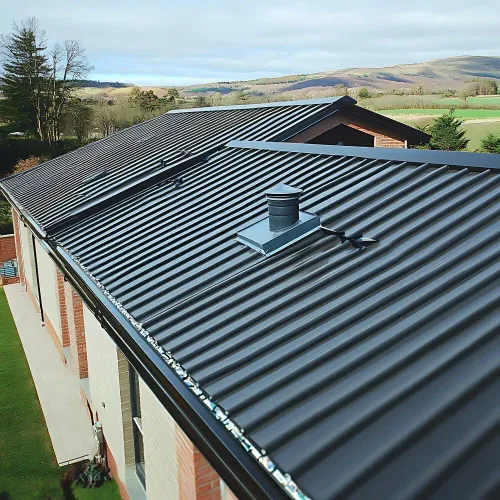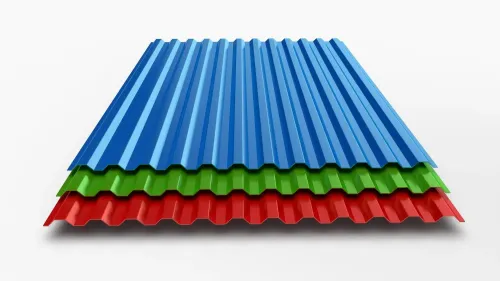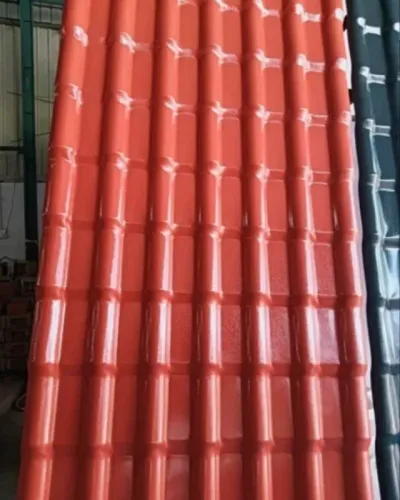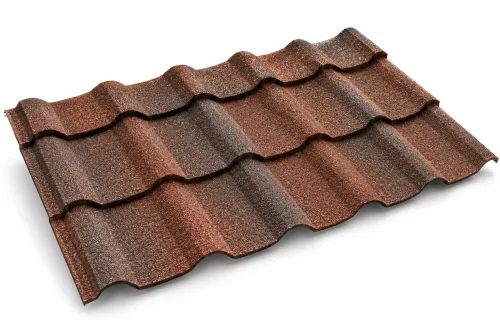
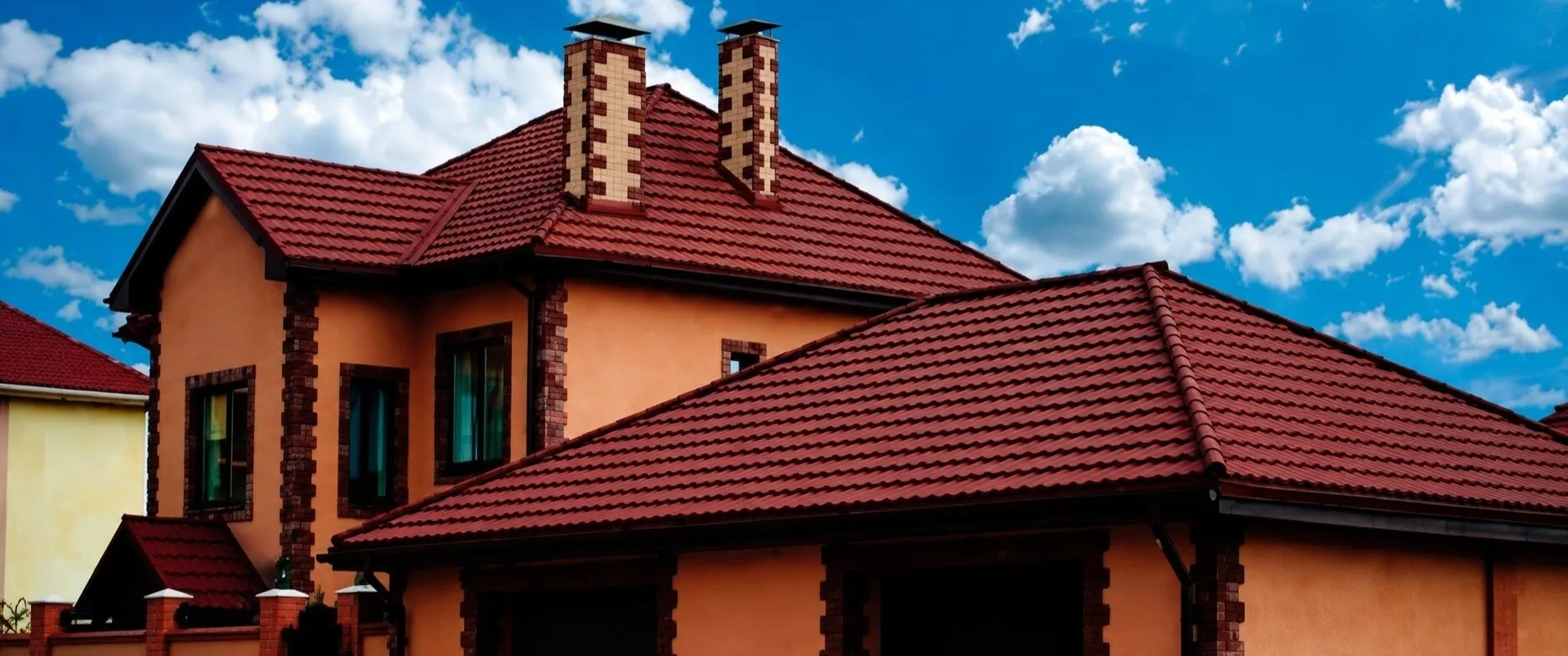
Monsoon leakage is usually caused by inadequate slope, blocked drainage, weak supports or poorly detailed laps—not by the stone-chip surface alone. You will be able to assess an existing roof, compare complete stone-coated systems and specify the drainage, structure and installation details needed for Nagpur’s intense wet-season rainfall.
Key takeaways
- Prioritise roof pitch, drainage outlets and sealed laps before choosing a coating.
- Inspect the existing deck, rafters, flashings and fastener points before installation.
- Specify sheet thickness, corrosion protection, overlaps and compatible fixings in writing.
- Clear gutters and outlets, then inspect laps and flashings before each monsoon.
Will a Stone-Coated Metal Roof Handle Nagpur’s Monsoon Rain?
Yes, a stone-coated metal roof can handle Nagpur’s monsoon, but its performance depends more on pitch and drainage than on Nagpur’s annual rainfall of roughly 1,000–1,100 mm. Short, intense storms, wind-driven rain, high humidity, ponding and repeated wet-dry cycles expose weak laps and blocked outlets quickly.
Many tile-profile systems require about 12° or more. Use the manufacturer’s installation literature as the controlling document because the minimum slope is not universal. A shallow roof leaves less drainage margin; adding downpipes will not correct a gutter that is too flat, obstructed or missing a safe overflow route.
Check these drainage controls before approving the design:
- Size gutters and outlets from roof catchment area, selected storm intensity, gutter slope and outlet arrangement.
- Match downpipe capacity to the catchment and provide an overflow route that cannot discharge into the building.
- Inspect valleys, eaves, ridge and hip caps, wall junctions, skylights and pipe penetrations as high-consequence details.
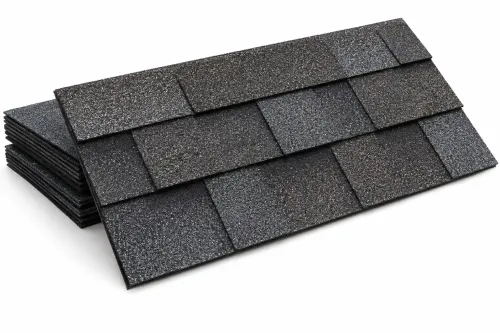
For stone coated metal for roofing monsoon in Nagpur, stone granules provide the finished surface and protect the coating; they do not create watertightness. Correctly lapped metalwork, continuous underlay, flashings, fasteners and sealed penetrations keep water out.
Underlay also provides secondary drainage and condensation control, but it cannot rescue reverse-lapped flashings, short valley pieces or poorly sealed penetrations.
What Must You Check on the Existing Roof Before Installation?
Before ordering sheets, expose the existing roof frame and confirm that it can carry the new system and its forces.
1. Remove enough covering at representative areas to inspect purlins, trusses, rafters, cleats, bearing points and connections. Probe timber for rot; scrape steel for rust and section loss; check for loose bolts, elongated holes, damaged welds, bent members and distorted cleats.
2. Sight along each roof plane and record uneven areas, sagging trusses and ponding depressions. Inspect masonry supports for cracks, crushing, separation or movement. A sheet’s low weight does not remove structural demand: the frame still receives wind uplift, fastener forces and maintenance loads.
3. Check the supporting steel against IS 875 (Part 3): 2015 wind-load provisions and the project’s applicable design criteria. Give separate attention to corners, eaves and roof edges, where wind uplift and fixing demand are highest. Obtain an engineer’s structural check if members are corroded, distorted, undersized or altered.
4. Decide the remedy before measuring sheets: repair rot, replace corroded members, tighten or replace connections, strengthen supports, or level the frame. Do not cover a sagging or cracked support and expect flashing to correct it.
5. Measure only after confirming purlin spacing, roof pitch, ridge and valley lines, and the positions of tanks, pipes, skylights and solar equipment. Incorrect spacing or an obstructed valley can make correctly ordered sheets unusable.
Which Sheet and Fixing Specifications Control Monsoon Performance?
A quotation for stone coated metal roofing sheets in Nagpur should identify the complete roof system, not simply say “stone coated.” Ask for the base-metal thickness, aluminium-zinc or galvanised coating designation, profile shape, stone-chip bonding method, protective topcoat, maximum support spacing, sheet length, minimum pitch and written manufacturer warranty.
| Item | What to compare | Why it matters |
|---|---|---|
| Base and finish | Steel thickness, metallic coating, bonding and topcoat | Controls corrosion resistance and finish durability |
| Geometry | Profile, sheet length, minimum pitch and support spacing | Determines drainage, stiffness and lap performance |
| Accessories | Ridge caps, barge flashing, valleys and underlay | Completes the watertight system |
| Documentation | Warranty and installation method | Defines permitted slope, laps and movement details |
- Use the specified corrosion-resistant roofing screws and washers. Drive each screw firmly enough to seat the washer without crushing it; overdriving creates leaks, while loose washers admit wind-driven rain.
- Follow the system’s side-lap and end-lap dimensions. Fit ridge caps, barge flashing and valley flashing as designed, with continuous underlay at valleys, eaves and penetrations for secondary drainage and condensation control.
- Fit formed or proprietary flashing around pipes and solar penetrations, integrating it with the underlay. Surface sealant alone will fail as the opening moves.
- Allow for about 6 mm movement in a 10 m steel run across a 50°C change. Ridge details, end laps and penetrations must follow the manufacturer’s movement allowance.
- Verify wind-uplift fixing patterns separately at corners, eaves and edges; visual sheet weight does not determine fixing adequacy.
How Does Stone-Coated Metal Compare with Other Monsoon Roof Materials?
A stone coated metal roof in Nagpur should be compared as a complete assembly, not by granule colour or tile-like appearance. Check the base steel, metallic coating, profile, underlay, flashings, fasteners, minimum slope, support spacing and installation method together.
| Option | Main strengths | Main limitations |
|---|---|---|
| Stone-coated metal | Lower weight than tile; stone chips reduce bare-metal rain noise and protect the finish | Needs correct laps, flashings, penetrations, underlay and wind-rated fixing; chips do not make it silent |
| Colour-coated metal sheets | Simple profiles, low weight and straightforward installation | Corrosion protection varies; bare surfaces usually transmit more rain noise |
| Corrugated galvanised sheets | Familiar, economical sheet format with galvanised protection | Protection depends on coating quality and cut-edge care; exposed metal can sound loud during rain |
| Asphalt shingles | Quiet surface with a suitable roof deck | Depends on a sound deck, underlay, slope and correct adhesive or nail detailing |
| Clay or concrete tiles | Durable, familiar appearance and good thermal mass | Heavier structure, broken-unit risk, mortar or flashing maintenance and wind-restraint requirements |
A stone coated metal roof in Nagpur still leaks if valleys are blocked, flashings are reverse-lapped or pipe and solar penetrations are poorly sealed. No covering repairs defective drainage or bad detailing.
Nagpur’s heat and humid monsoon air make the underside important. Ventilation and insulation below any metal roof reduce heat transfer and help limit condensation; a watertight outer surface does not stop internal dripping.
Rain noise depends on decking, insulation, ceiling lining, cavity depth and fixing tightness. Stone chips reduce noise compared with bare metal, but they do not make the roof silent.
How Should You Inspect, Clean and Specify the Roof After Installation?
After the first heavy rains, inspect every drainage and junction detail rather than judging the surface from ground level. Check valleys, gutters, downpipe outlets, ridge and hip caps, flashing laps, screw washers, exposed cut edges, scratches, coating loss and ponding locations.
- Remove leaves, mortar and metal swarf from valleys, gutters and roof surfaces.
- Record ponding locations after the roof has dried; standing water points to drainage, slope or deflection problems.
- Check cut edges and scratches for exposed metal, then apply the manufacturer’s approved touch-up treatment.
- Clean with non-abrasive tools and controlled water pressure. Do not use abrasive pads, aggressive pressure washing, or walk on unsupported valleys and laps where the installation method prohibits it.
A loose washer can admit rain; an overdriven washer can split or permanently deform, while a misaligned washer may seal only one side of the hole. Replace damaged fasteners with the specified compatible screw and washer rather than covering the point with surface sealant.
For stone coated metal roofing sheets in Nagpur, request this information before purchase:
| Item | What to confirm |
|---|---|
| Sheets | Base-metal thickness, metallic coating, profile and length |
| System | Accessories, ridge and hip caps, valleys and flashings |
| Protection | Underlay, approved fasteners and washer type |
| Design | Minimum slope and maximum support spacing |
| Installation | Written fixing pattern and documented method |
Stone coated metal for roofing monsoon in nagpur is not a complete specification, and a stone coated metal roof in nagpur is not watertight because of granules alone. Maratha Roofing Products can help compare compatible system components for a Central India installation; the installer’s documented method controls the result.
Related product
Stone Coated Metal Roof Sheets Stone Coated Metal Roof Sheets combine durability with aesthetics, offering a long-lasting roofing solution. View product → |
Frequently asked questions
Will a stone-coated metal roof handle Nagpur’s monsoon?
Yes, when the roof has adequate pitch, clear drainage, sealed laps and correctly installed flashings. Short, intense storms expose ponding, blocked outlets and weak joints.
What must you check before installing a stone-coated metal roof?
Inspect the existing deck, rafters, roof pitch, drainage paths, flashings, gutters and penetrations. Repair structural weakness, corrosion and water-entry points before laying new sheets.
Which specifications control monsoon performance?
Check sheet thickness, protective coating, stone-chip adhesion, minimum pitch, side and end laps, fastener type, washer quality and flashing details. Put each specification in the purchase order.
How should you maintain a stone-coated metal roof after installation?
Clear leaves and silt from gutters and outlets, remove debris without abrasive tools, and inspect laps, flashings, fasteners and coating damage before and during the monsoon.
Keywords