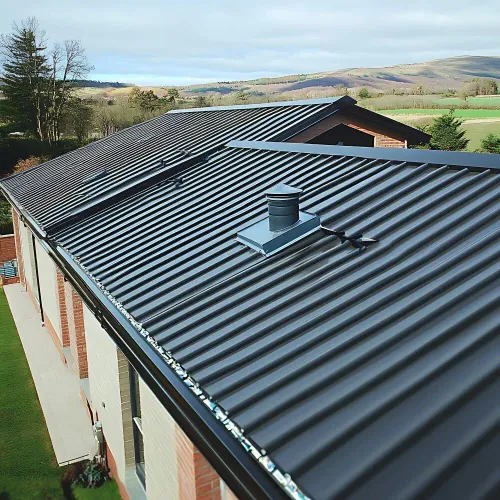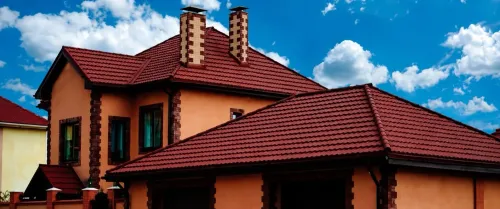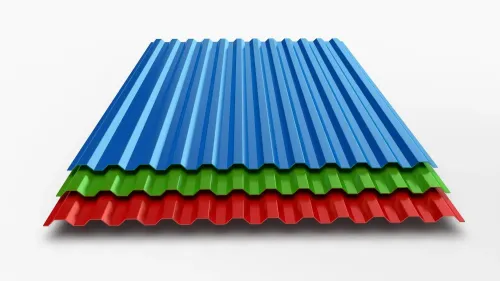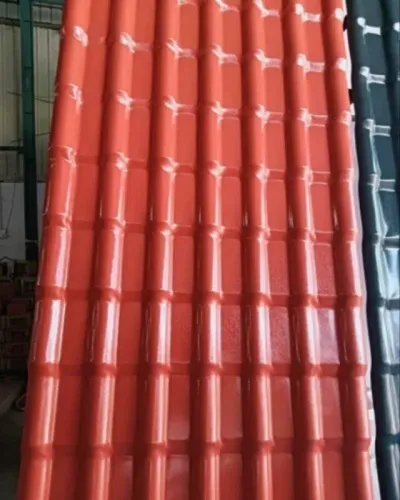
Modern buildings are expected to provide more than structural strength and attractive design. They should also maintain comfortable indoor temperatures, reduce energy consumption, and protect occupants from excessive heat. This is why Heat Out Panels have become an increasingly popular solution for residential, commercial, and industrial construction. Choosing the right Heat Out Panel Manufacturers is an important step toward improving a building's thermal efficiency and long-term performance.
Heat Out Panels are specially engineered insulation panels designed to minimise heat transfer through roofs and walls. By reducing the amount of external heat entering a building, these panels help create a cooler indoor environment without relying entirely on air conditioning. This makes them particularly valuable in cities like Nagpur, where prolonged summer temperatures can significantly increase indoor heat levels.
One of the biggest advantages of installing Heat Out Panels is improved energy efficiency. Buildings that absorb less heat generally require less mechanical cooling, which can contribute to lower electricity consumption over time. While savings vary depending on building design and usage, thermal insulation remains one of the most practical investments for improving overall energy performance.
When comparing Heat Out Panel manufacturers, buyers should consider several technical and quality-related factors rather than focusing only on pricing.
Important evaluation points include:
- Thermal insulation performance
- Material density and durability
- Fire resistance characteristics
- Moisture resistance
- Ease of installation
- Structural stability
- Product certifications
- Manufacturer warranty and technical support
Understanding these specifications helps buyers select panels that match their project requirements.
Heat Out Panels are suitable for a wide variety of applications. Residential buildings use them to improve indoor comfort, while commercial offices benefit from reduced heat gain that supports employee productivity. Industrial facilities, warehouses, manufacturing plants, educational institutions, and healthcare buildings also rely on thermal insulation panels to maintain stable indoor conditions throughout the year.
Another significant benefit is protection of the building structure itself. Continuous exposure to excessive heat can gradually affect roofing materials and interior finishes. Proper insulation helps reduce thermal stress, contributing to the longevity of both the roof and supporting structural components.
Installation quality is equally important. Even high-performance insulation panels may not deliver expected results if gaps, improper fastening, or incorrect joint sealing allow heat to penetrate the building envelope. Following manufacturer recommendations and engaging experienced installers helps maximise insulation effectiveness.
Modern construction also places increasing emphasis on sustainability. Thermal insulation contributes to environmentally responsible building practices by reducing overall energy demand. Many architects and developers now include insulation systems during the design stage rather than treating them as optional upgrades after construction is complete.
When selecting a supplier, consistency in manufacturing quality should be a priority. Reputable manufacturers invest in quality control processes that ensure uniform panel dimensions, reliable insulation performance, and long-term durability. Access to technical guidance and compatible installation accessories further supports successful project execution.
Companies such as Maratha Roofing Products offer building solutions that include products designed to improve roofing performance and energy efficiency. Their range supports architects, builders, contractors, and property owners looking for dependable insulation options suited to local climatic conditions.
Choosing the right Heat Out Panel manufacturer is an investment in both comfort and building performance. By evaluating product quality, insulation capability, durability, and supplier expertise, buyers can create structures that remain cooler, more energy-efficient, and easier to maintain throughout their service life. As demand for sustainable construction continues to grow, thermal insulation panels are becoming an essential component of modern building design rather than an optional addition.
Keywords