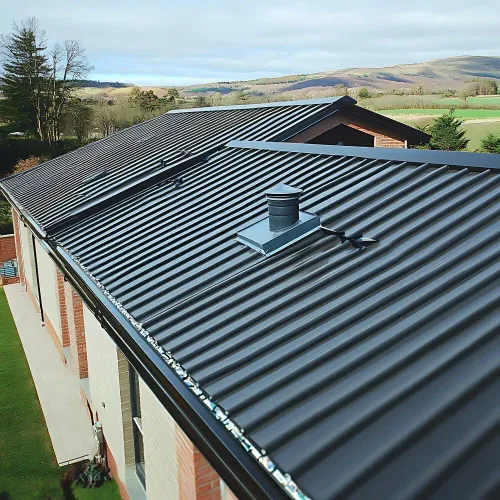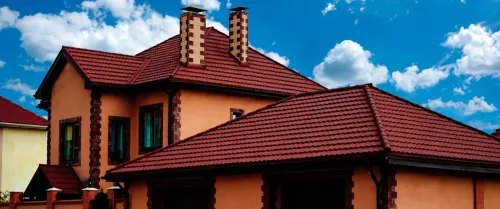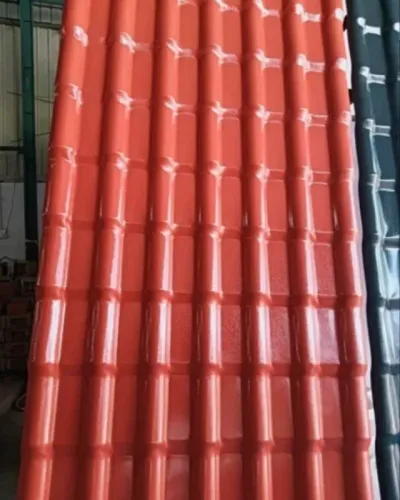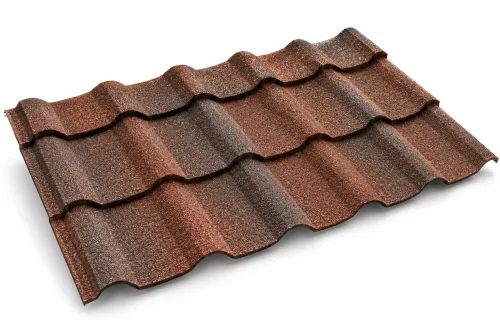
A sloping roof contributes significantly to the character of a building, but its purpose extends far beyond appearance. It must manage rainfall, withstand prolonged outdoor exposure, and remain compatible with the underlying roof structure. Asphalt roofing shingles provide a distinctive option for projects where weather protection and architectural detailing need to work together.
For property owners, architects, and developers in Nagpur, understanding how shingles function can prevent material-selection mistakes before construction begins.
What Are Asphalt Roofing Shingles?
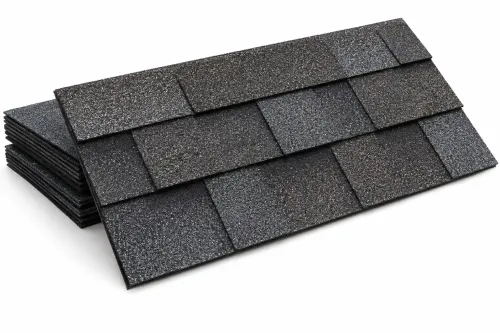
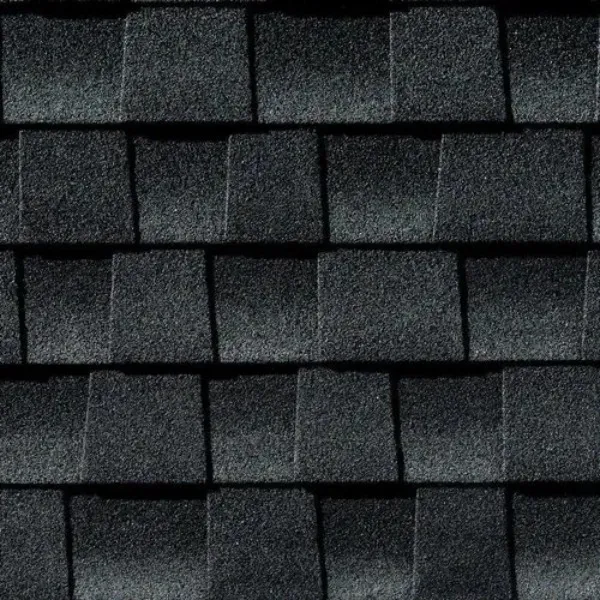
Asphalt shingles are individual roofing elements installed in overlapping rows on a prepared sloping roof surface. Their layered arrangement helps guide rainwater downward while producing the textured appearance associated with shingle roofs.
Depending on the product specification, shingles may incorporate a reinforced base, asphalt composition, and protective mineral surface.
Their relatively compact format allows them to follow different roof forms, making them useful for architectural projects with multiple slopes and detailed roof profiles.
Why Are They Used on Sloping Roofs?
One of the biggest reasons is design flexibility. Shingles can complement structures where conventional sheet roofing may appear too industrial.
Common applications can include:
- Villas and premium residences
- Resort cottages
- Farmhouses
- Gazebos and recreational structures
- Clubhouses
- Institutional buildings
- Commercial properties with sloping roofs
They are particularly relevant when the roof is intended to remain a visible architectural feature.
What Does a Good Shingle Roof Require?
Installation quality matters as much as product selection. Asphalt roofing shingles should be installed over a suitable roof deck and compatible underlayment according to the required roof pitch and product specifications.
Attention should also be given to valleys, ridges, edges, penetrations, flashing, and drainage points. These are areas where poor detailing can undermine an otherwise suitable roofing material.
Nagpur's monsoon conditions make water movement especially important. Gutters, drainage channels, and roof slopes should allow rainwater to leave the roof efficiently rather than collect around vulnerable areas.
Consider Heat Along With Rain Protection
Maharashtra's warm conditions mean roof planning should also account for solar heat.
Shingle colour, ventilation beneath the roof, insulation, ceiling construction, and the overall building design can influence indoor thermal conditions. Roofing should therefore be considered as one part of the complete building envelope rather than an isolated finishing material.
Making an Informed Selection
Before choosing shingles, compare product specifications, installation requirements, colour options, roof-deck compatibility, warranty terms, and maintenance guidance.
Maratha Roofing Products supports roofing requirements in Nagpur for projects where material performance needs to align with architectural design. Providing roof drawings, approximate area, slope details, and intended application can make product evaluation considerably more accurate.
The right asphalt roofing shingles should ultimately suit the building rather than simply follow a design trend. When material selection, roof preparation, drainage, and installation are coordinated properly, shingles can provide a practical and visually distinctive solution for sloping-roof projects.
Keywords