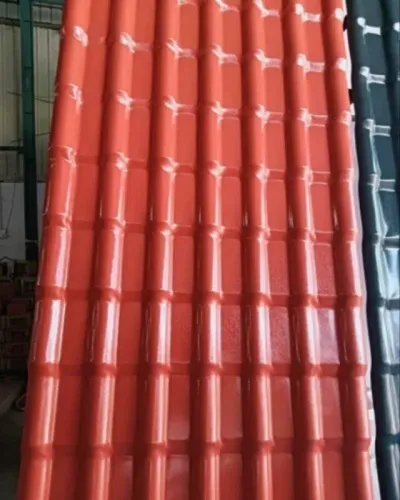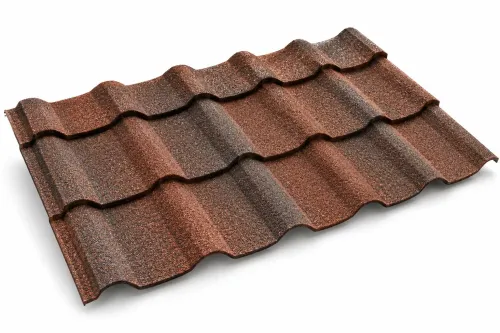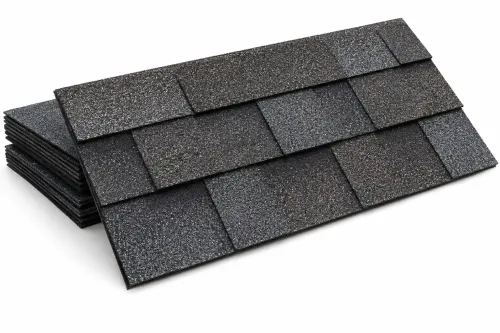
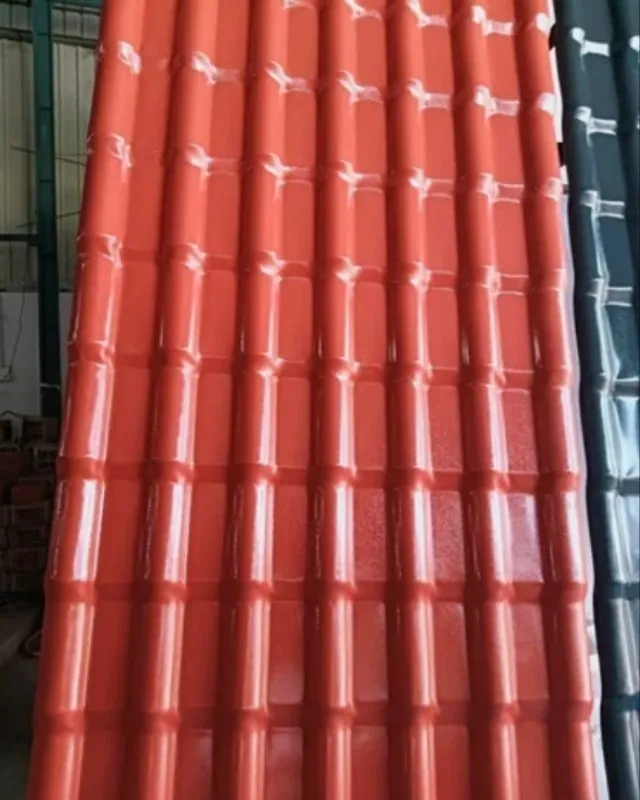
Roofing requirements vary considerably between a warehouse, a terrace covering, a commercial building, and an industrial facility. A material that performs well in one application may be unsuitable for another. ASA UPVC roofing is increasingly considered where corrosion resistance, manageable maintenance, and practical weather protection are important project requirements.
Understanding its characteristics can help Nagpur buyers determine whether it fits their intended application.
What Is ASA UPVC Roofing?
UPVC roofing is a polymer-based roofing solution, while ASA generally refers to a surface layer designed to improve outdoor weather resistance and appearance. Product construction can vary by manufacturer, so technical specifications should always be checked before comparing different options.
Unlike conventional metal roofing, UPVC-based roofing does not depend on a metallic surface for weather protection. This characteristic can make it relevant in environments where corrosion is a concern.
Where Can It Be Considered?
Depending on the profile and specification, ASA UPVC roofing may be evaluated for applications such as:
- Industrial sheds
- Warehouses
- Workshops
- Commercial structures
- Agricultural buildings
- Utility areas
- Parking structures
- Terrace and outdoor coverings
The actual application should be matched to span requirements, supporting structure, wind conditions, slope, and manufacturer recommendations.
Why Corrosion Resistance Matters
Metal roofing installed in chemically demanding, humid, or corrosive environments may require careful material and coating selection.
A UPVC-based system can offer an alternative where resistance to rust and corrosion is a priority. This does not eliminate the need for maintenance, however. Fasteners, joints, flashings, supports, and drainage systems should still be inspected periodically.
What About Nagpur's Heat?
High temperatures and strong sunlight are major considerations for roofing projects across Nagpur and Maharashtra.
When comparing ASA UPVC roofing with other materials, examine the manufacturer's specifications relating to UV exposure, thermal movement, temperature tolerance, colour retention, and installation spacing.
Thermal expansion should be considered during installation because polymer-based roofing materials can respond differently to temperature changes than metal products.
Evaluate the Complete Roof, Not Just the Sheet
Before finalising the material, determine the roof slope, sheet length, support spacing, fastening method, drainage design, and requirements for ridge or flashing accessories.
Indoor comfort requirements should also influence the decision. Some buildings may require additional insulation or ventilation regardless of the roofing material selected.
For buyers comparing roofing options in Nagpur, Maratha Roofing Products can help align the roofing type with the intended building application and project requirements.
ASA UPVC roofing is most useful when selected for the right reasons. Rather than choosing it simply because it is an alternative to metal, evaluate corrosion exposure, structural design, heat conditions, drainage, maintenance expectations, and installation requirements together. That approach creates a roofing specification based on actual building needs instead of one isolated product feature.
Keywords